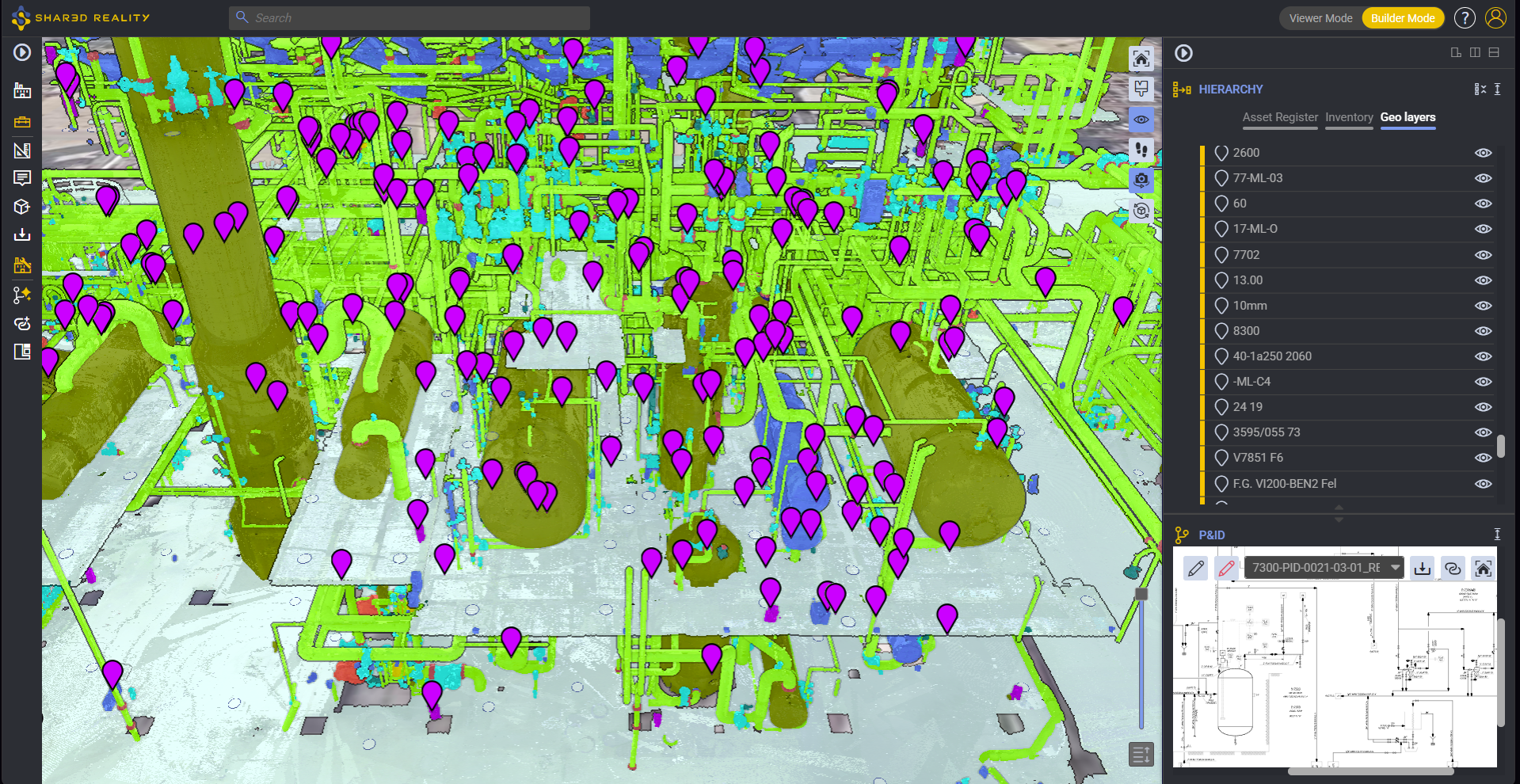
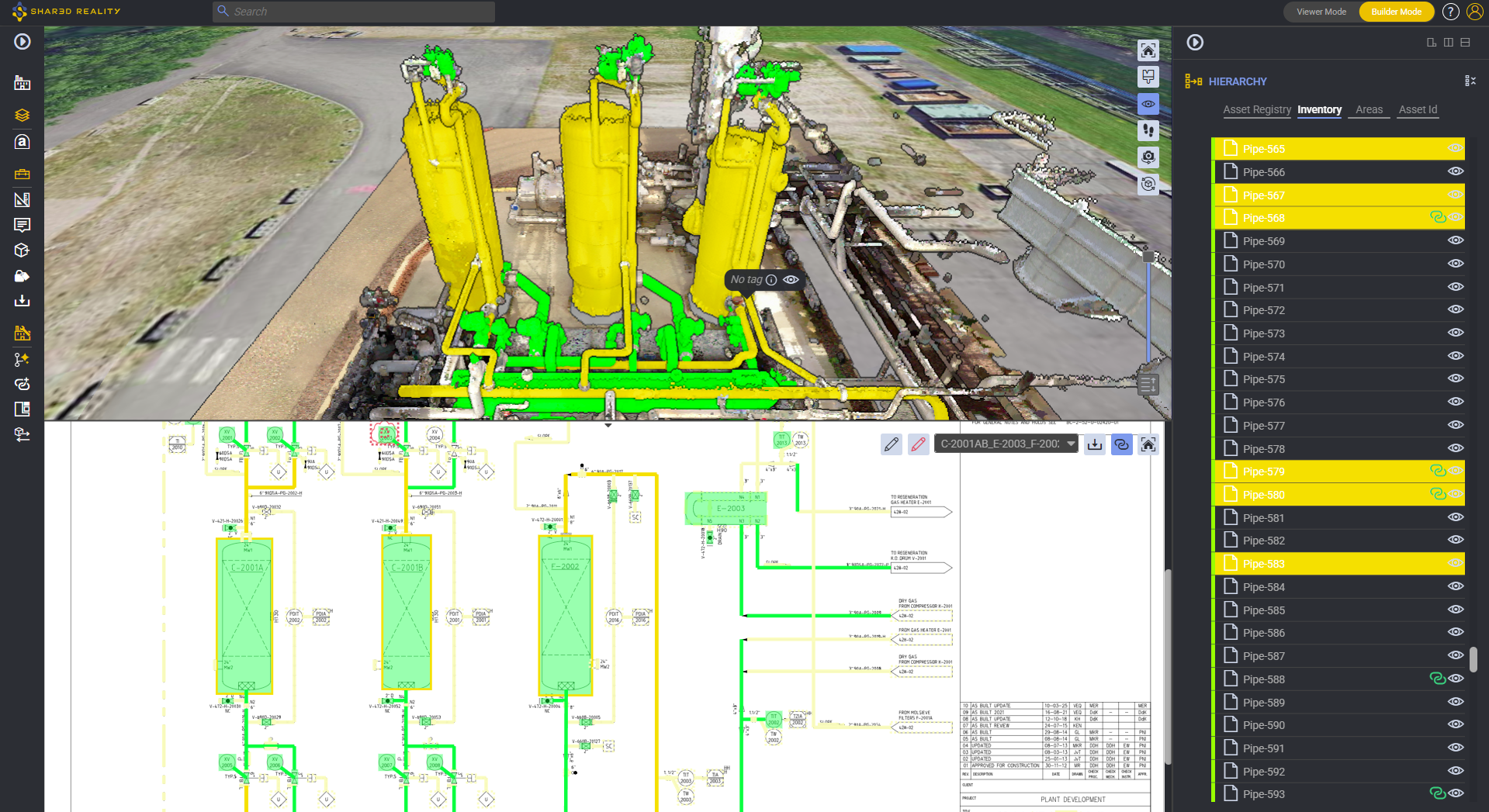
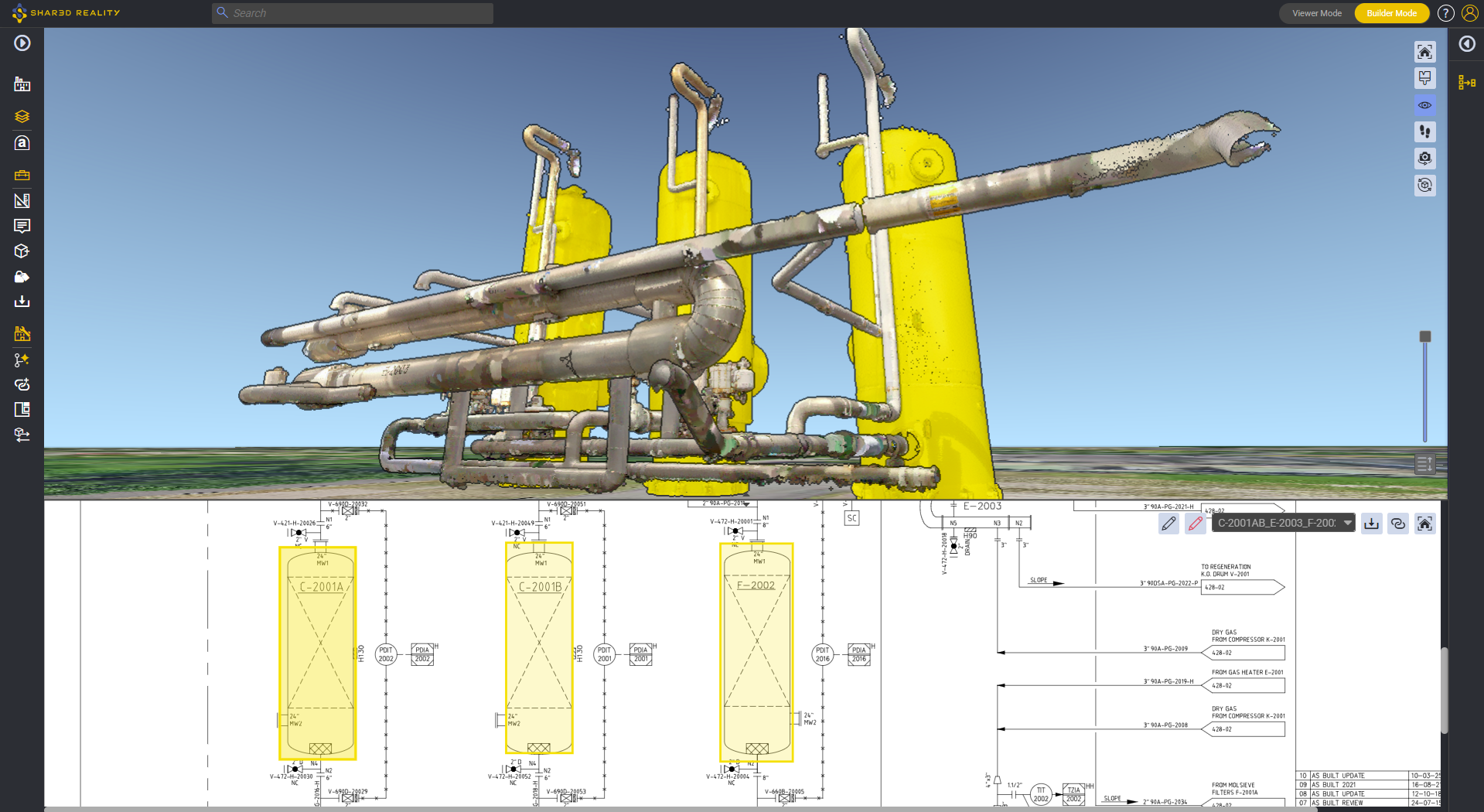
Replay du webinaire Samp – 9 Octobre 2025
Après un premier webinaire sur la transmission du patrimoine, nous poursuivons avec un focus sur la vie d’une usine : interventions du quotidien, rénovations lourdes, enjeux et bénéfices pour tous les acteurs.
Ce nouvel épisode réunit Razvan Gorcea (Samp) et Florian Pouilly (AMO BIM – Épigram), avec les retours d’expérience de SUEZ Eau France et d’un expert BIM côté conception et travaux.
🎯 Objectif :
Montrer comment Shared Reality aide à :
améliorer la gestion des interventions,
sécuriser les opérations lourdes,
renforcer la collaboration entre exploitants, concepteurs et collectivités,
valoriser chaque étape du cycle de vie d’une usine.
👉 Regardez le replay dès maintenant et découvrez comment le jumeau numérique patrimonial transforme la gestion industrielle.
Télécharger le replay
Télécharger le replay
Pour qui?
Dédié aux collectivités
Maîtrises d’ouvrages
AMO
Bureaux d’études
Bureaux de contrôle
Constructeurs et exploitants
Intervenants

Florian Pouilly
AMO BIM Stratégie & Projet - BIM Management - Economie de la construction - Innovation numérique
EPIGRAM

Arnaud Brouchoud
Ingénieur projet, Direction Gestion des Actifs
SUEZ Eau France

Sylvain Lemasson
Conseil en Digitalisation, BIM Management
Digital Construction Factory

Razvan Gorcea
Directeur du Développement Eau et Environnement
Samp.ai