In an interview with Silicon Republic journalist Laura Varley, Shivani Shah, CTO and co-founder of Samp, shared her journey from AI research to industrial innovation. Originally from India, she pursued a master’s in AI and machine learning in France, followed by a PhD at the French Nuclear Research Agency. Her expertise in big data and machine learning led her to develop a groundbreaking approach to processing large datasets. However, she realized that her passion lay in solving real-world challenges with AI, leading her to co-found Samp alongside Laurent Bourgouin.
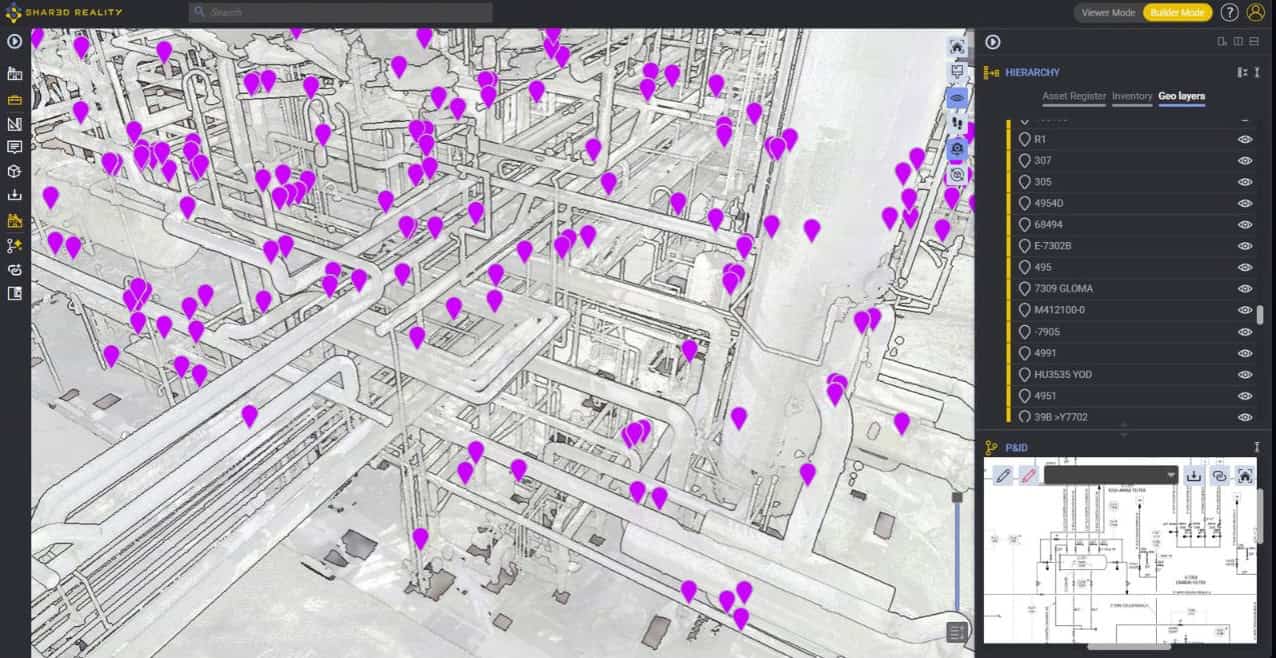
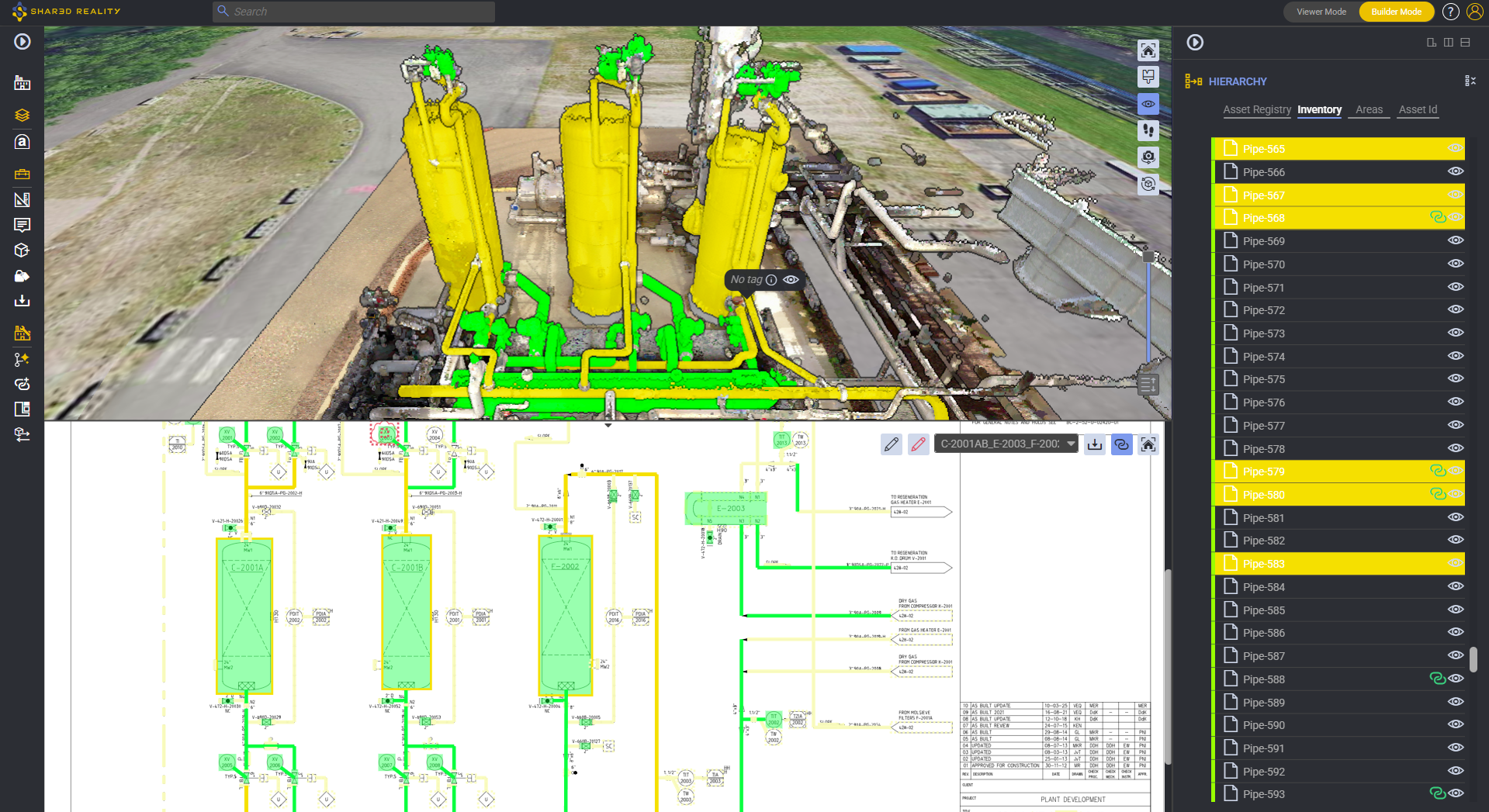
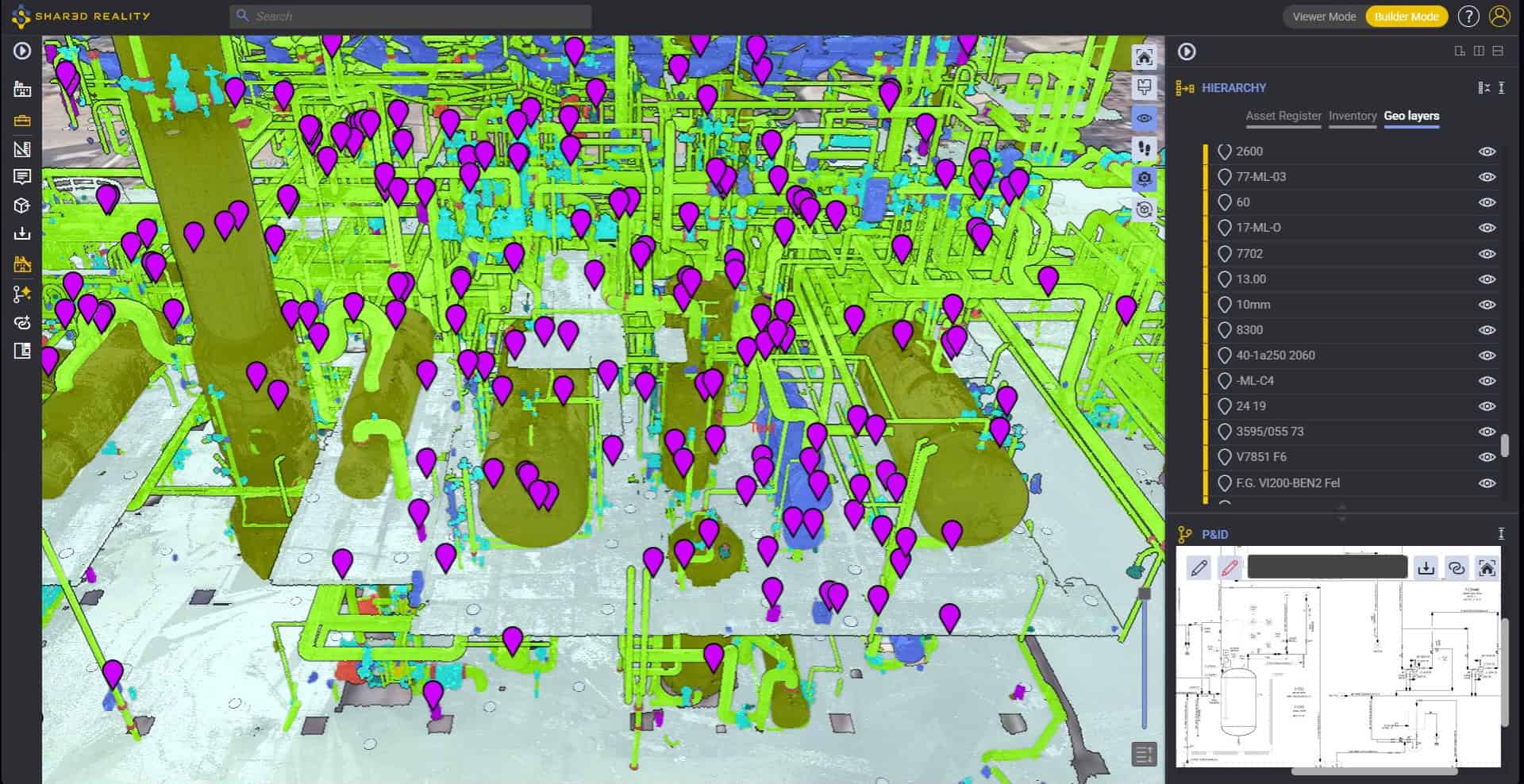
Their vision was driven by the need to modernize aging industrial sites struggling with outdated documentation and data gaps. Shah saw the potential of AI and 3D technology to bridge this gap, enabling the automatic generation of intelligent digital twins from 3D scans. Samp’s Shared Reality solution integrates these AI-driven models with engineering blueprints and real-time data, creating a collaborative digital workspace that enhances efficiency, safety and sustainability.
Shivani explained that digital twins are not just a technology but a strategic framework that brings together AI, reality capture and advanced web tools to provide a continuously updated, interactive view of industrial assets. She emphasized how this can help industries transition to net zero goals by optimizing operations, improving energy efficiency and supporting sustainable decision making.

Beyond sustainability, Shared Reality also plays a crucial role in safety. Shivani highlighted that inaccurate technical documentation can lead to serious risks, but AI powered models allow teams to simulate maintenance processes such as lockout tagout digitally, reducing the potential for human error. This proactive approach ensures safer operations and minimizes downtime.
With AI innovation accelerating, Shivani noted the EU’s increasing investment in AI driven industrial solutions to enhance efficiency, safety and sustainability. She predicted that industrial sites will soon be fully data driven, leveraging AI for predictive maintenance, real-time monitoring and smarter decision making. As the industry evolves, she stressed the importance of adopting modern digital tools to create safer, more efficient and future ready industrial environments.
For the full interview published on Feb. 19, 2025 by Laura Varley, visit the Silicon Republic site.