Webinar Replay: P&ID Revalidation, Episode 2

A replay of Samp’s webinar on 25 of June 2026.

Following the record participation of the previous webinar, “P&ID revalidation, by the field, for the field”, which explored the foundations of merging legacy 2D schematics with 3D reality captures, a sequel session is here.

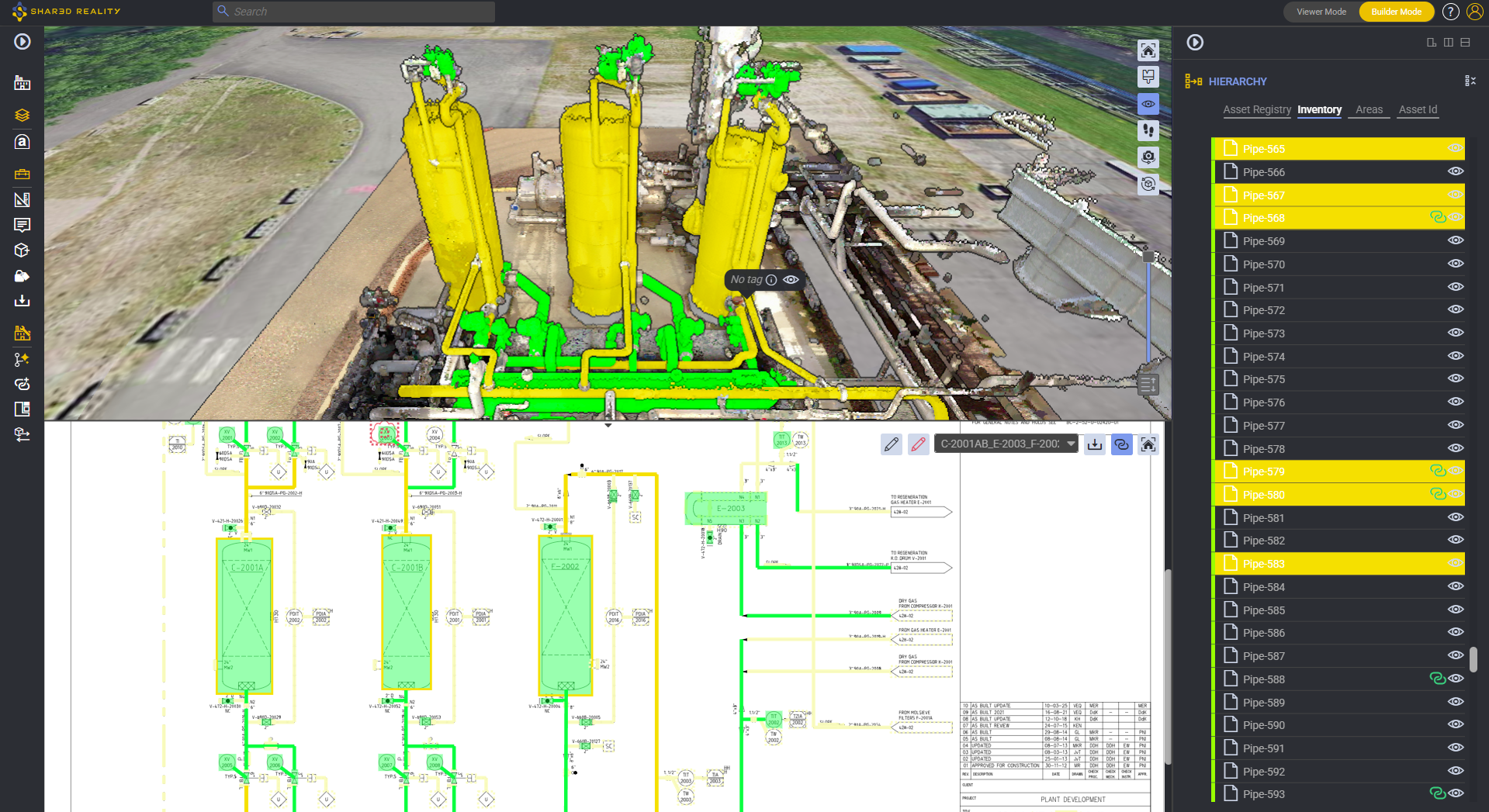
While the initial session established the groundwork for collaborative, manual P&ID revalidation, this session focuses exclusively on AI-assisted P&ID revalidation to significantly elevate engineering workflows.

The session covers:

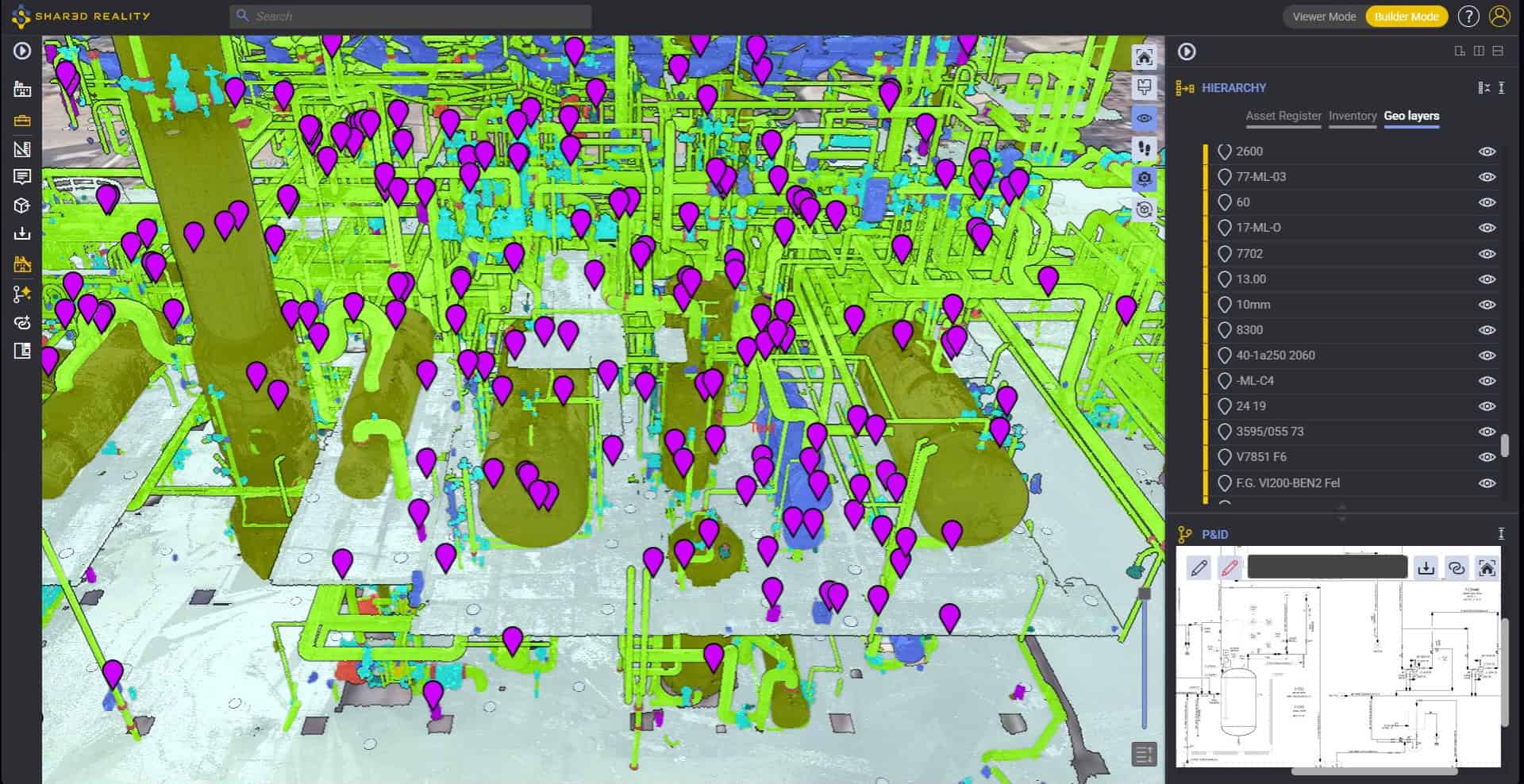
✅ AI-assisted equipment tagging from 3D reality captures
✅ AI-guided P&ID validation with synchronized navigation between the P&ID and the 3D environment
✅ Built-in annotations and redlining to highlight field discrepancies
✅ Controlled publication workflows to maintain technical information integrity

The result?

⚡ Up to 10x faster P&ID revalidation
🎯 Less manual effort
🔍 Better visibility of field discrepancies

This webinar is for professionals seeking to rapidly build and seamlessly sustain a trusted, up-to-date industrial digital twin.


Download the webinar replay

Speakers

Picture of Julien Villemeur
Julien Villemeur

Chief Product Officer
Samp.ai

Picture of Nikola Primetica
Nikola Primetica

Project & Customer Success Manager
Samp.ai
More to explore

Automated Spatial Tagging

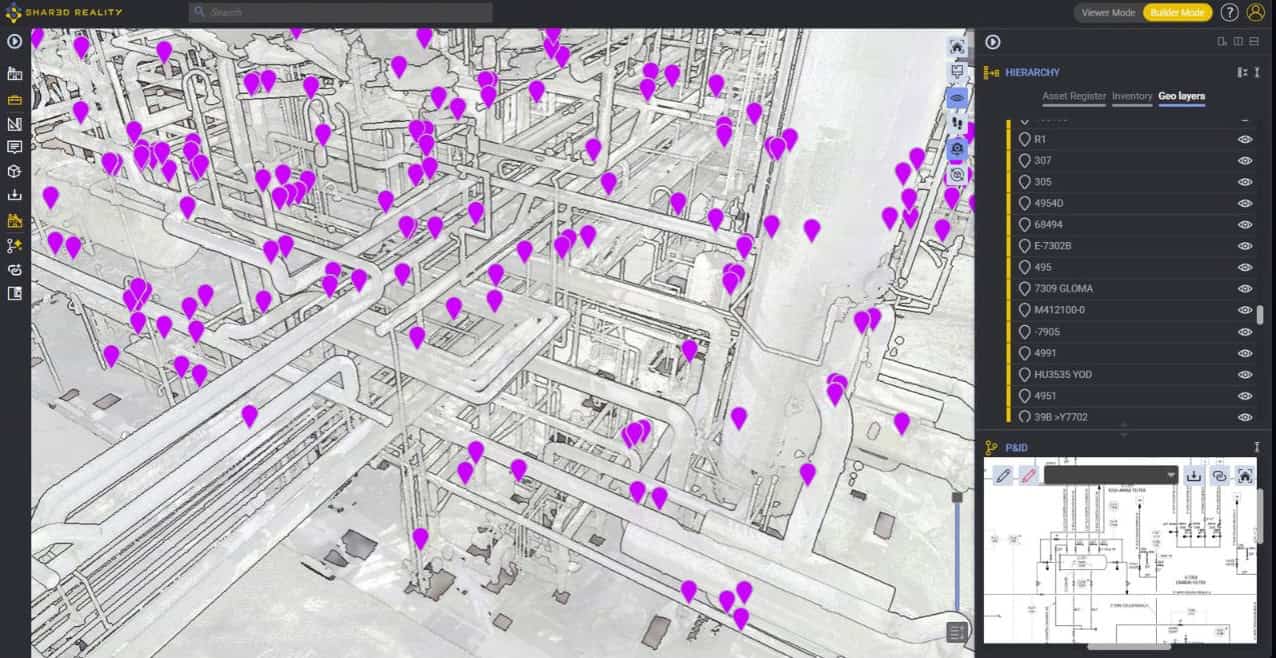
Through automated spatial tagging—powered by in-scan Optical Character Recognition (OCR) embedded within Shared Reality and its Assetizer AI engine—operators can now extract physical label data directly from 360° panoramic imagery embedded in 3D scans. By anchoring physical plant labels directly to CMMS tags and 3D geometries without requiring an existing, validated P&ID as an intermediary, industrial operators can rapidly turn monolithic scans into interactive digital twins, streamline turnaround (TAR) preparations, and unlock comprehensive line-by-line P&ID validation via automated pipe crawling.

A Reality-Based Evolution for RBI and Process Safety Management

In brownfield refining, petrochemical, chemical, and offshore processing facilities, maintaining dedicated “inspection isometrics” represents one of the most resource-draining, error-prone overheads in Asset Integrity Management (AIM). For decades, plant operators have treated 2D Computer-Aided Design (CAD) piping isometric drawings as the mandatory medium for mapping Condition Monitoring Locations (CMLs), defining corrosion loops, and executing Risk-Based Inspection (RBI) workflows under API 570 and API 580/581.

Webinar: Automated Spatial Tagging

Discover how Shared Reality helps you visually isolate piping circuits and corrosion loops instantly, bridging the gap between engineering data and field execution.

Scroll to Top
Logo Samp