When people think about turnarounds, they often focus on the shutdown itself. Contractors arrive on site, equipment is isolated, work packages are executed, and thousands of activities must be completed within a tightly controlled window where every hour matters.
In process industries, the terms turnaround and shutdown are often used interchangeably, but they are not quite the same thing. A shutdown refers to the period when production is stopped so maintenance, inspections, repairs, or modifications can be performed safely. A turnaround encompasses the entire lifecycle of that event, including planning, engineering preparation, procurement, contractor coordination, execution, and return to operations.
Experienced turnaround managers know that success is rarely determined during the outage itself. By the time the first valve is isolated, many of the factors that will influence schedule performance, safety outcomes, and overall cost have already been established. The quality of the preparation phase often determines whether execution proceeds smoothly or whether teams spend valuable shutdown time resolving unexpected issues.
One of the most important, and often overlooked, aspects of that preparation is having an accurate understanding of the facility that will be worked on.
The Most Expensive Day of a Turnaround Is Often Day One
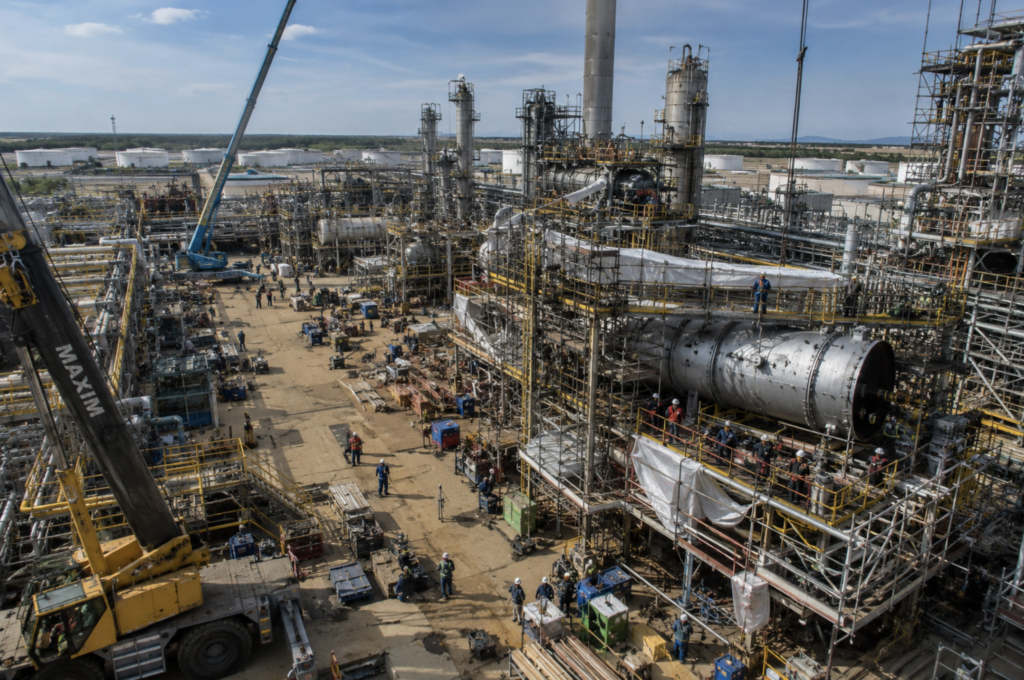
Turnarounds are among the most complex activities undertaken by industrial facilities. Maintenance, inspection, repair, modification, and regulatory activities must all be coordinated within a fixed outage window. Every additional day can impact production targets, contractor costs, and the facility’s return to service.
The challenge is that many delays are not caused by execution problems. They originate much earlier, during planning and preparation.
A missing isolation point. An undocumented modification. A tie-in location that differs from the drawing. An equipment configuration that no longer matches engineering records.
Individually, these issues may seem minor. Discovered during execution, however, they can trigger engineering queries, additional field verification, rework, and schedule delays. This is why leading operators invest heavily in preparation months before shutdown activities begin.
Turnaround Preparation Is Really About Reducing Uncertainty
At its core, turnaround preparation is a process of reducing uncertainty.
Teams need confidence that work packages are accurate, isolation plans are achievable, materials are available, and engineering assumptions reflect the reality of the field. The earlier uncertainties are identified and resolved, the greater the likelihood of a predictable turnaround.
This can be challenging because industrial facilities are constantly evolving. Equipment is replaced, piping is rerouted, instruments are upgraded, and modifications accumulate throughout the life of the asset. Even facilities with strong management processes can experience discrepancies between engineering documentation and actual field conditions.
As a result, much of turnaround preparation is spent answering a fundamental question:
Do we have an accurate picture of the facility today?
The answer to that question influences everything that follows, from work pack development and contractor planning to safety reviews and shutdown execution.
The Hidden Information Tax
Anyone who has participated in a major turnaround has seen the same pattern emerge.
Engineering teams perform site visits to confirm existing conditions. Contractors revisit units to validate assumptions. Operations personnel are consulted to explain undocumented changes. Additional surveys are requested to resolve uncertainties before work can proceed.
None of these activities are unusual. In fact, they are a routine part of turnaround preparation.
The challenge is that many organizations repeat the same verification effort from one shutdown to the next because valuable knowledge is not always captured in a way that can be reused. Information gathered during previous projects, inspections, or maintenance activities often remains fragmented across reports, spreadsheets, emails, contractor deliverables, and personal experience.
Over time, this creates what many operators quietly accept as an “information tax”: the time, cost, and effort required to rediscover field conditions that should already be understood.
Reducing this information tax is becoming an increasingly important objective for organizations looking to shorten shutdown durations and improve preparation efficiency.
The Industry Shift Toward Virtual Preparation
This challenge is one reason reality capture and digital workflows are gaining traction across the energy, utilities, and process industries.
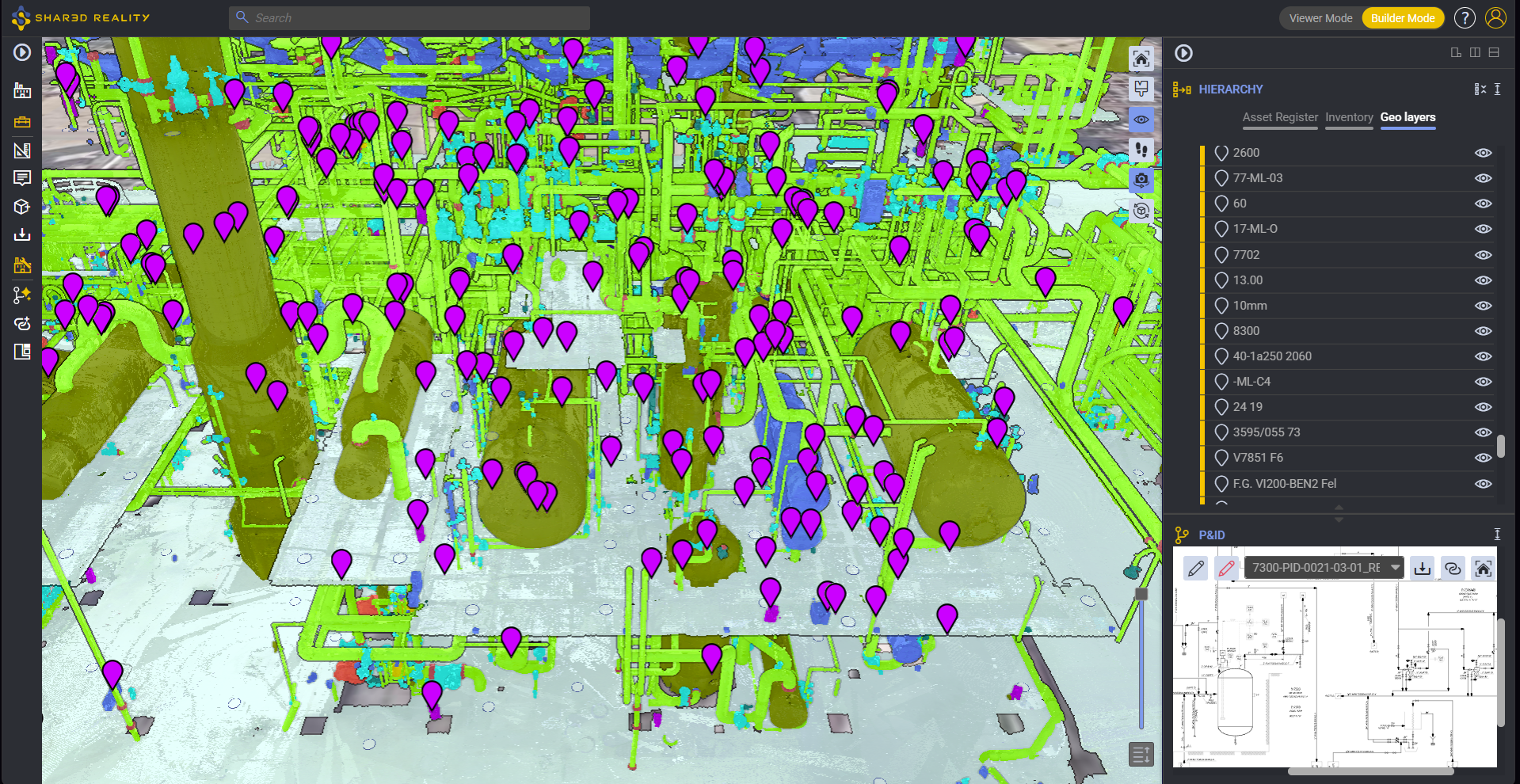
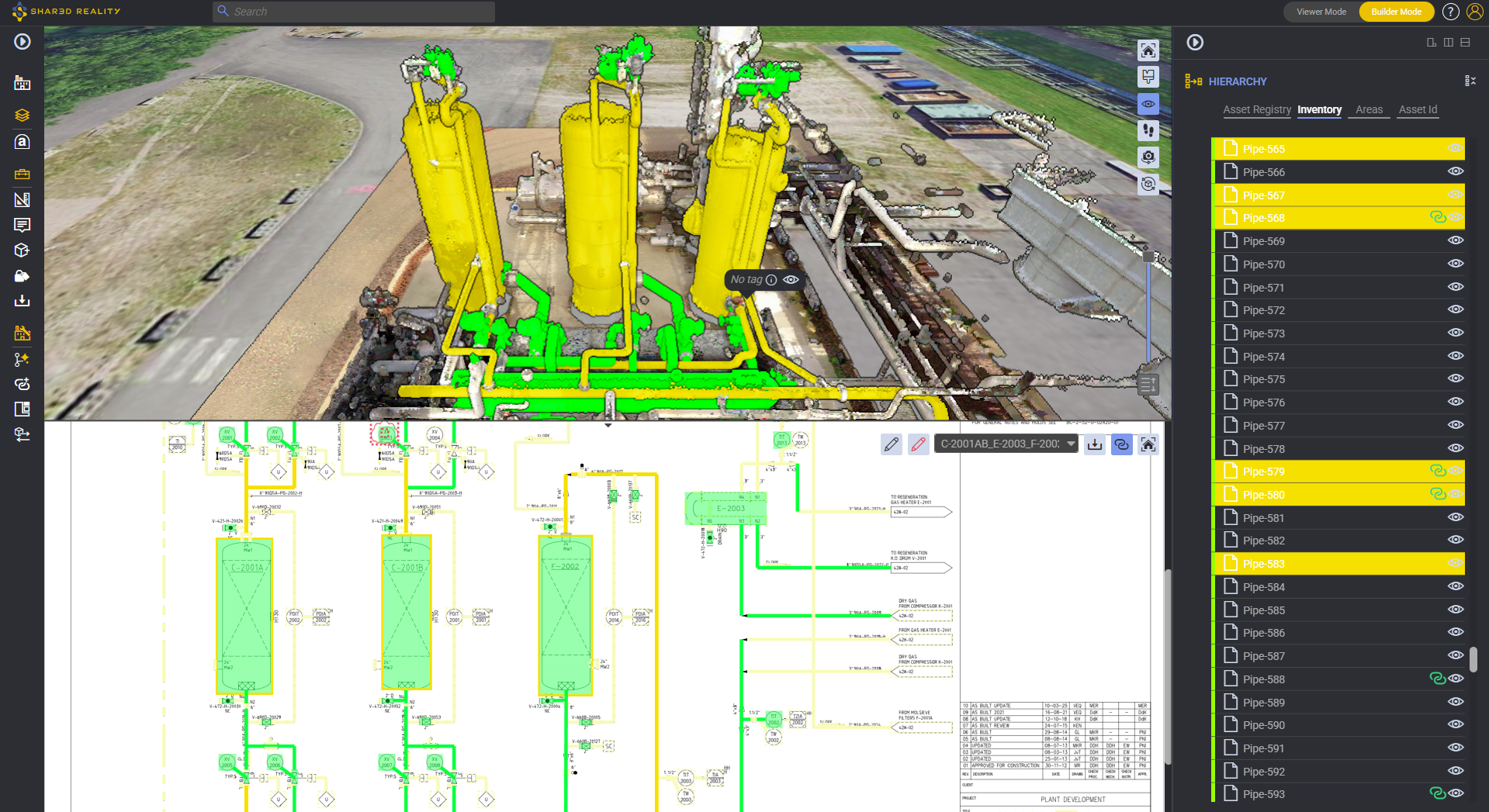
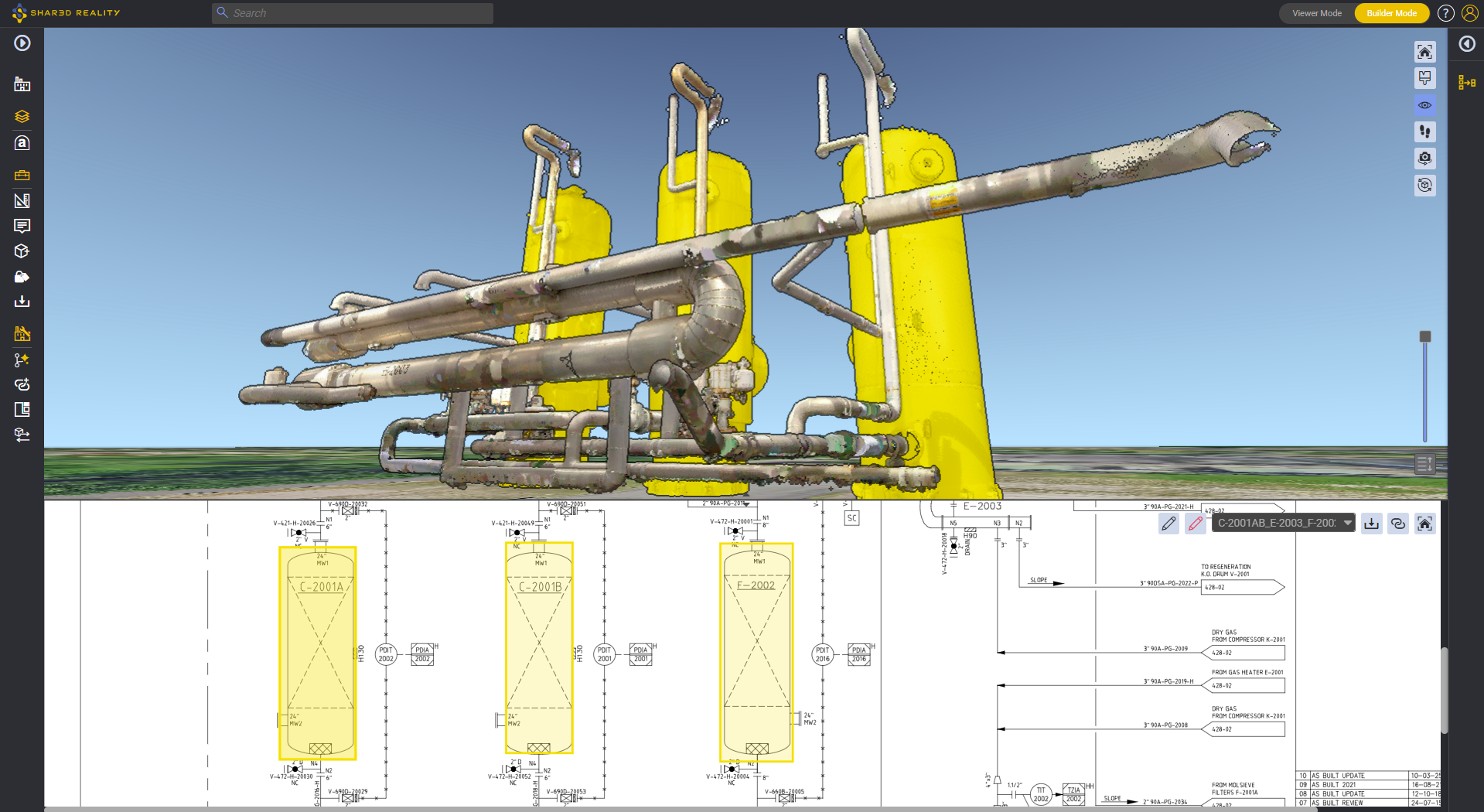
Rather than relying exclusively on physical walkdowns, operators can now review installations, validate assumptions, and prepare work remotely using current visual representations of the facility. Engineering teams, contractors, maintenance planners, and operations personnel can collaborate around a shared view of the asset long before the turnaround begins.
This does not eliminate the need for field verification. Physical validation remains essential. What changes is the quality of the preparation that occurs before people arrive on site.
Instead of spending valuable time locating equipment, understanding layouts, or resolving basic questions, teams can focus their site visits on higher-value activities and make better use of limited shutdown preparation resources.
Shared Reality is one example of this industry trend. By connecting reality capture with engineering documentation such as P&IDs, operators can compare field conditions against existing records, identify discrepancies earlier, and improve confidence in the information used to prepare upcoming work.

Turnarounds Create an Opportunity to Improve Information Quality
One of the less obvious benefits of turnaround preparation is that it creates a natural opportunity to improve the quality of facility information.
During planning activities, teams frequently identify discrepancies between documentation and field conditions. Historically, many of these observations remained buried inside reports, markups, spreadsheets, or contractor deliverables. Once the turnaround was complete, much of that knowledge was difficult to reuse.
Increasingly, operators are looking for ways to retain these findings and integrate them into their engineering records. When observations made during turnaround preparation contribute to updated P&IDs, validated asset information, and improved technical documentation, future projects start from a stronger baseline.
The next turnaround becomes easier to prepare. Future modification projects require fewer assumptions. Engineering studies can be completed with greater confidence.
Over time, information quality improves as a by-product of normal operational activities rather than through standalone data-cleansing initiatives.
Faster Shutdowns Begin Long Before Shutdown Day
The industry often focuses on improving turnaround execution. Yet many of the greatest opportunities exist before execution begins.
Reducing uncertainty, validating documentation, confirming field conditions, and improving collaboration between operations, maintenance, engineering, and contractors all contribute to a more predictable shutdown. Facilities that consistently execute successful turnarounds are often those that invest the most effort in understanding their assets before the outage window begins.
The objective is not simply to execute work faster. It is to enter the turnaround with fewer surprises, better information, and greater confidence in the decisions being made.
Because once the shutdown begins, every unresolved question becomes more expensive.
Conclusion
Successful turnarounds do not start when production stops.
They start months beforehand through planning, verification, and preparation.
The facilities that consistently execute safer, faster, and more predictable turnarounds are often those that invest the most effort in understanding their assets before the shutdown window begins. Accurate documentation, validated field conditions, and shared visibility across teams may not be the most visible parts of turnaround preparation, but they are often the foundations upon which successful turnarounds are built.
For organizations seeking to reduce schedule risk, improve contractor productivity, and accelerate return to operations, the question is no longer whether preparation matters.
The question is whether teams have access to the information they need before shutdown day arrives.
Preparing for an upcoming turnaround or major modification project?
Discover how Shared Reality helps operators validate documentation, compare field conditions against engineering records, reduce unnecessary site visits, and improve project readiness before execution begins.
Book a demo to learn more.